
A high power bill is usually the first warning your HVAC system gives you. It rarely shuts off all at once. It struggles first. It runs longer, works harder, and pulls more electricity to do the same job it used to do easily. And you pay for every extra minute it runs.
Here in Mount Gilead, that bill creeps up most in July and August. Our Piedmont summers are long and humid, and your AC or heat pump already runs hard from June through September. When something is wrong, those long run-times get even longer. A system that should cycle on and off all afternoon instead runs nearly nonstop. The meter keeps spinning.
The good news is simple. Most of the causes are fixable, and most are cheaper to fix than to ignore. Here is what is actually happening inside your system, how to read the warning signs, and when to call.
How a Struggling System Quietly Raises Your Bill
Your HVAC system has one job in summer: pull heat and moisture out of your house and dump it outside. When it runs at full health, it does that in normal cycles and then rests. When something is wrong, it can no longer keep up, so it never gets to rest.
That is the whole story behind a rising bill. A struggling system does not cool less and cost less. It cools the same and costs more, because it runs longer and draws more power to fight through whatever is holding it back.
A few things make this worse in our area:
- Long humid summers mean your system already runs near its limit. There is no slack to absorb a small problem.
- High humidity forces long compressor run-times just to pull moisture out of the air. A weak system can run all day and still leave the house feeling sticky.
- Outdoor units near Lake Tillery and on rural and farm properties face rust and corrosion from constant moisture, which slowly chokes performance.
So when you see the bill jump 20 or 30 percent for the same thermostat setting and the same weather, that is not normal aging. That is a signal.
The Most Common Reasons Your Bill Climbs
Most of the time it comes down to a short list. Some you can check yourself in ten minutes. Some need a technician with gauges. All of them cost you money every day they go unfixed.
A Dirty Air Filter
This is the number one cause, and it is the cheapest to fix. A clogged filter chokes airflow across the indoor coil. Your blower works harder, your system runs longer, and in bad cases the coil freezes over and stops cooling entirely. Check your filter monthly during cooling season. In a dusty rural home or a house with pets, you may need a fresh one every month. Clean homes can stretch to two or three.
Low Refrigerant From a Leak
Refrigerant does not get used up like gas in a car. If you are low, you have a leak. A system running low on refrigerant cannot absorb heat properly, so it runs and runs and never satisfies the thermostat. Your bill climbs and the compressor takes a beating. This one needs a pro. We find the leak, fix it, and recharge to the correct level. Do not let anyone just "top it off" year after year without finding the leak. That is throwing money away.
Dirty Coils
Your system has two coils: the indoor evaporator and the outdoor condenser. When the outdoor coil gets caked with grass clippings, pollen, and dirt, it cannot release heat to the outside air. The system runs hotter and longer. Our pollen seasons and humid air make this a real local problem. A yearly cleaning keeps the unit breathing.
A Failing or Aging Compressor
The compressor is the heart of the system, and it is the biggest electricity draw. As it wears, it pulls more amps to do less work. You may not hear anything dramatic, but the bill tells the story. This is where age matters most. A compressor straining at 14 years old is a different conversation than a quick part swap.
Duct Leaks
If your ductwork leaks in a hot attic or crawlspace, you are paying to cool spaces nobody lives in. Studies put typical duct losses around 20 to 30 percent of conditioned air. That is cooled air you paid for, leaking out before it ever reaches a room. Sealing and repairing ducts is one of the most overlooked fixes for a high bill.
Thermostat and Short-Cycling Problems
A bad thermostat or a system that turns on and off too quickly, called short-cycling, both burn extra power. Short-cycling is rough on the compressor and the startup surge is the most energy-hungry moment of every cycle. More starts means more cost and more wear.
Warning Signs to Watch For
Your bill is the obvious clue, but your system usually drops hints first. Watch for these:
- Your AC or heat pump runs almost constantly, even after the house should be cool.
- The bill jumps for the same thermostat setting and similar weather.
- Some rooms stay warm while others feel fine.
- The house feels humid or sticky even when the temperature reads right.
- You hear new sounds: hissing, clicking, grinding, or a hard clunk at startup.
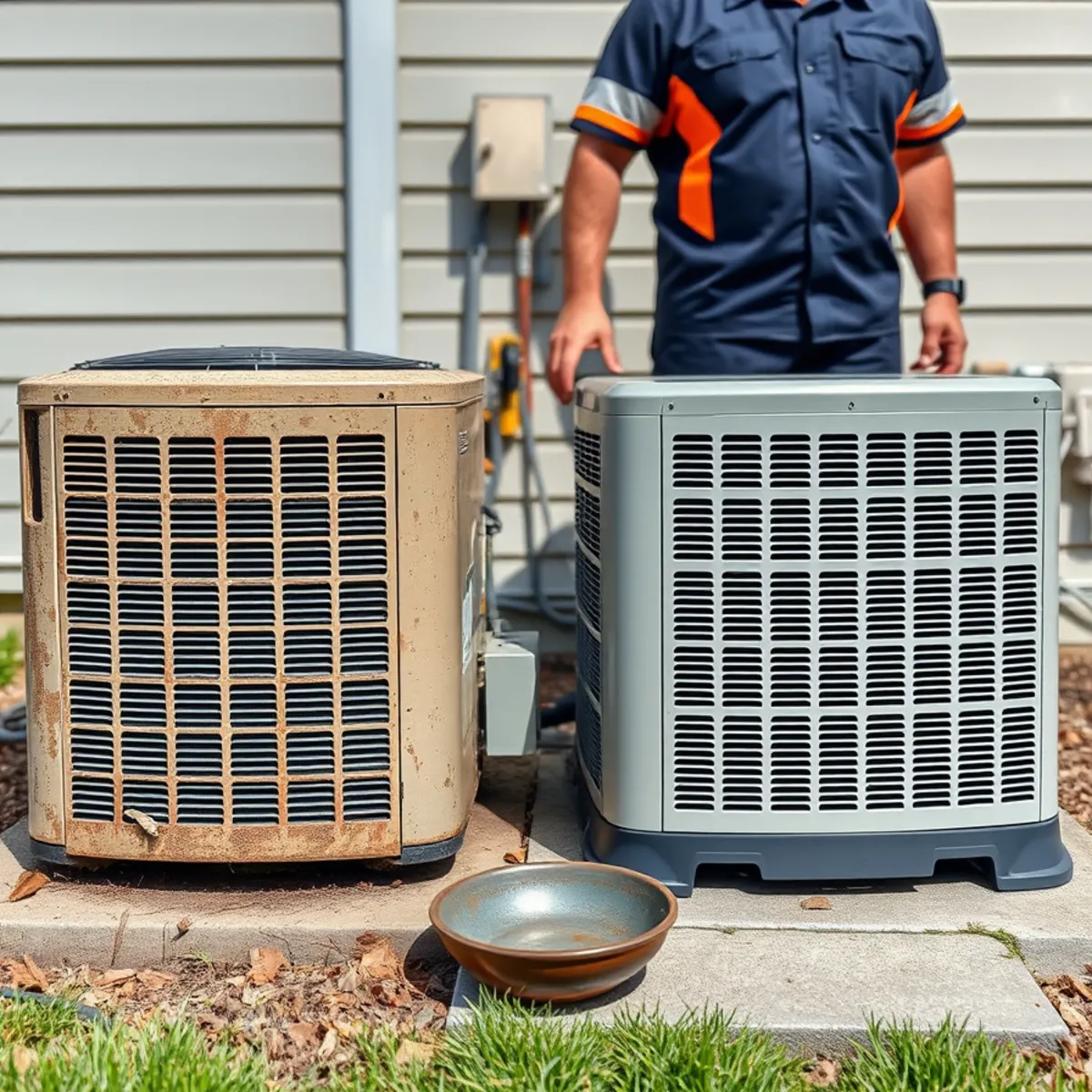
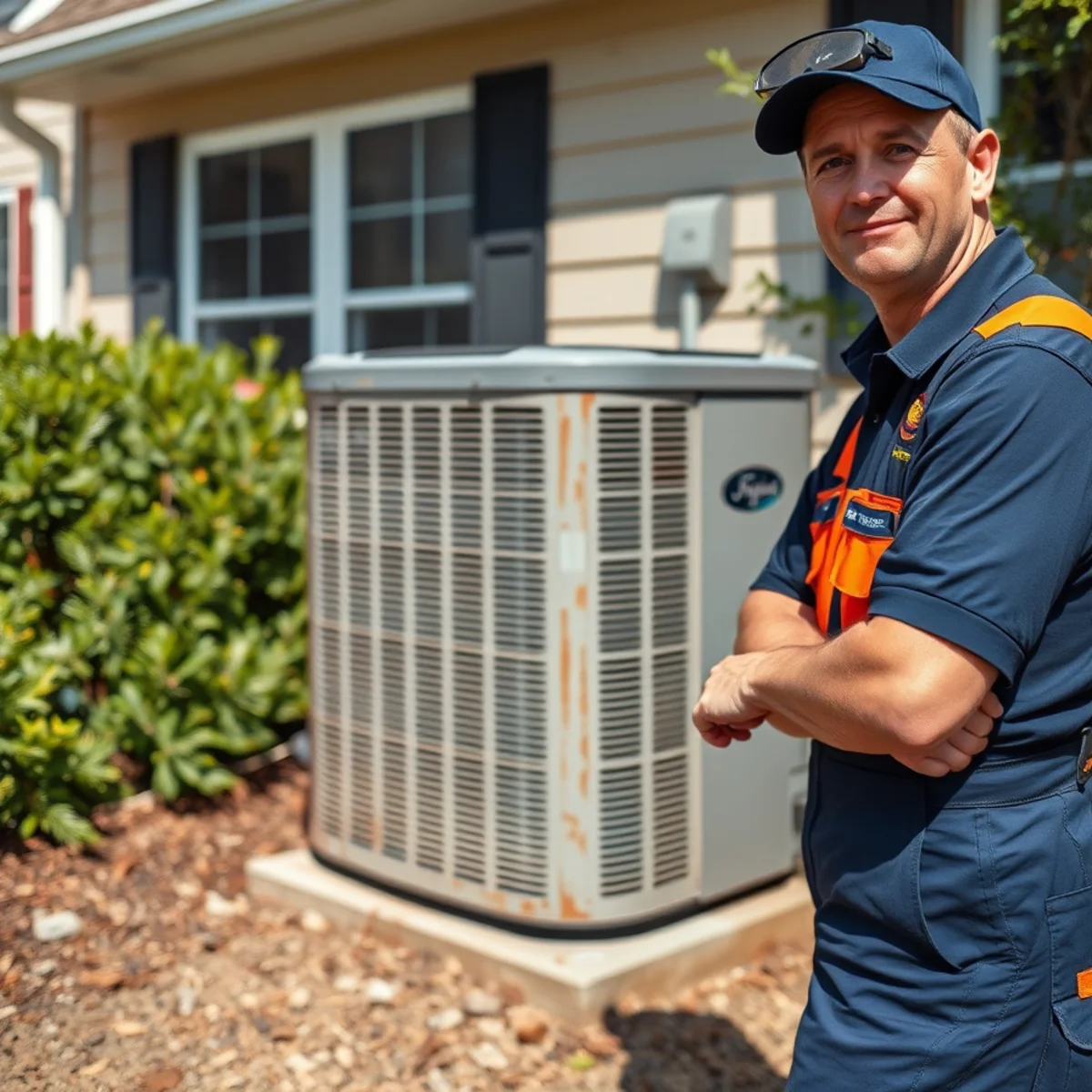
- The outdoor unit is rusty, iced over, or surrounded by overgrowth.
- The system kicks on and off every few minutes instead of running in steady cycles.
Any one of these means your system is working harder than it should. Two or three together means it is time to call.
Why Humidity Makes This Worse in Mount Gilead
This part is local, and it matters. We live in USDA Zone 8a with roughly 50 inches of rain a year and long, muggy summers. Humidity is the single biggest stressor on HVAC equipment around here.
Pulling moisture out of the air takes work, and a healthy system handles it with long, steady cycles. But when something is already wrong, humidity exposes it fast. A weak or undersized system runs nonstop trying to dry the house and still leaves it clammy. You crank the thermostat down to feel better, which only runs the system harder and drives the bill higher. The real problem was never the temperature. It was moisture the system could no longer remove.
Lake Tillery homes and properties out in the country feel this most. Outdoor units sit in damp air, corrosion sets in on the coils and electrical connections, and performance slips a little every season until one summer the bill makes you notice.
What You Can Do Right Now
Before you call anyone, there are a few honest checks worth doing:
- Replace the air filter. If it is gray and clogged, this alone may fix a lot.
- Clear at least two feet of space around the outdoor unit. Cut back weeds, trim shrubs, and rinse off grass and pollen with a gentle hose spray.
- Make sure all your supply vents are open and not blocked by furniture or rugs.
- Set the thermostat to a steady, reasonable temperature instead of dropping it way down and chasing comfort.
- Check that nothing is icing up on the indoor or outdoor unit. If you see ice, shut the cooling off and let it thaw, then call.
These steps fix the easy cases and rule them out for the harder ones. If the bill stays high after a clean filter, a clear unit, and a steady thermostat, the problem is inside the system and you need someone with gauges and meters to find it.
When to Call a Technician
Call when the simple checks do not fix it, or when you spot the bigger warning signs: a unit that runs nonstop, refrigerant or hissing concerns, ice, rust, strange noises, or rooms that will not cool. The longer a struggling system runs, the more it costs you and the more strain it puts on the expensive parts like the compressor.
A fair, honest diagnosis is worth a lot here. We will tell you straight whether you are looking at a small repair, a maintenance issue, or a system near the end of its life. No upsell, no scare tactics. Just the real answer and a fair price. A routine maintenance visit often catches these problems before they ever show up on your bill, which is exactly the point of seasonal service.
If your power bill has been climbing and your system has been working too hard, do not wait for it to quit on the hottest day of the year. Call EM Contractors LLC here in Mount Gilead. We are a family-owned HVAC company, founded in 2005, and the Mabe family has kept homes and businesses comfortable across Montgomery County for decades. We will check your system honestly, explain what we find in plain language, and fix what actually needs fixing so you stop paying for a struggling system. Give us a call and let a local technician take a look.
Frequently Asked Questions
It depends on the problem, but a system fighting a dirty filter, a refrigerant leak, or leaky ducts can run nearly nonstop instead of cycling on and off. That means it draws power far longer than it should. Many folks see a 20 to 30 percent jump for the same thermostat setting and similar weather. Duct leaks alone can lose 20 to 30 percent of the cooled air you paid for. The longer it goes unfixed, the more it costs.
Yes, and it is the most common cause we see, plus the cheapest to fix. A clogged filter chokes airflow across the indoor coil, so your blower works harder and the system runs longer. In bad cases the coil freezes and stops cooling. Check your filter monthly during cooling season. In a dusty rural home or a house with pets you may need a fresh one every month. Cleaner homes can stretch to two or three.
Humidity is the biggest stressor on HVAC equipment around here. Pulling moisture out of the air takes work, and a healthy system handles it with long, steady cycles. When something is wrong or the system is undersized, it can run all day and still leave the house sticky. Cranking the thermostat down just runs it harder and raises the bill. The real fix is getting the system back to where it can actually remove the moisture.
Do the simple checks first: replace the filter, clear two feet around the outdoor unit, open your vents, and set a steady temperature. If the bill stays high after that, or you see ice, rust, hear new noises, or the unit runs nonstop, call. Refrigerant and compressor issues need someone with gauges and meters. We are family-owned here in Mount Gilead since 2005. We will tell you straight whether it is a small repair, a maintenance issue, or a system near the end, at a fair price, no scare tactics.
Related Services
Written by
EM Contractors LLC
A family-owned heating and air conditioning company serving Mount Gilead, NC since 2005. Owner Eric Mabe and his crew share these tips from real work in local homes and businesses — honest advice, no sales pressure.