The first real cold snap in Montgomery County usually shows up fast. One week you've still got the AC running through a humid afternoon, and the next a north wind drops us into the 30s overnight. That sudden flip is exactly when heating systems fail. They sat idle all summer, and the first hard call for heat finds every weak spot at once.
Here's the honest truth after years of doing this work around Mount Gilead: most no-heat mornings are preventable. A little attention in October and November keeps you off the emergency list in January. Below is the same checklist we run, explained plainly so you can handle the easy parts yourself and know when to call.
Start With a Test Run Before You Need It
Don't wait for the first freeze to find out your heat doesn't work. Pick a cool evening in the fall and run a real test.
- Set the thermostat to heat and bump it 5 degrees above room temperature.
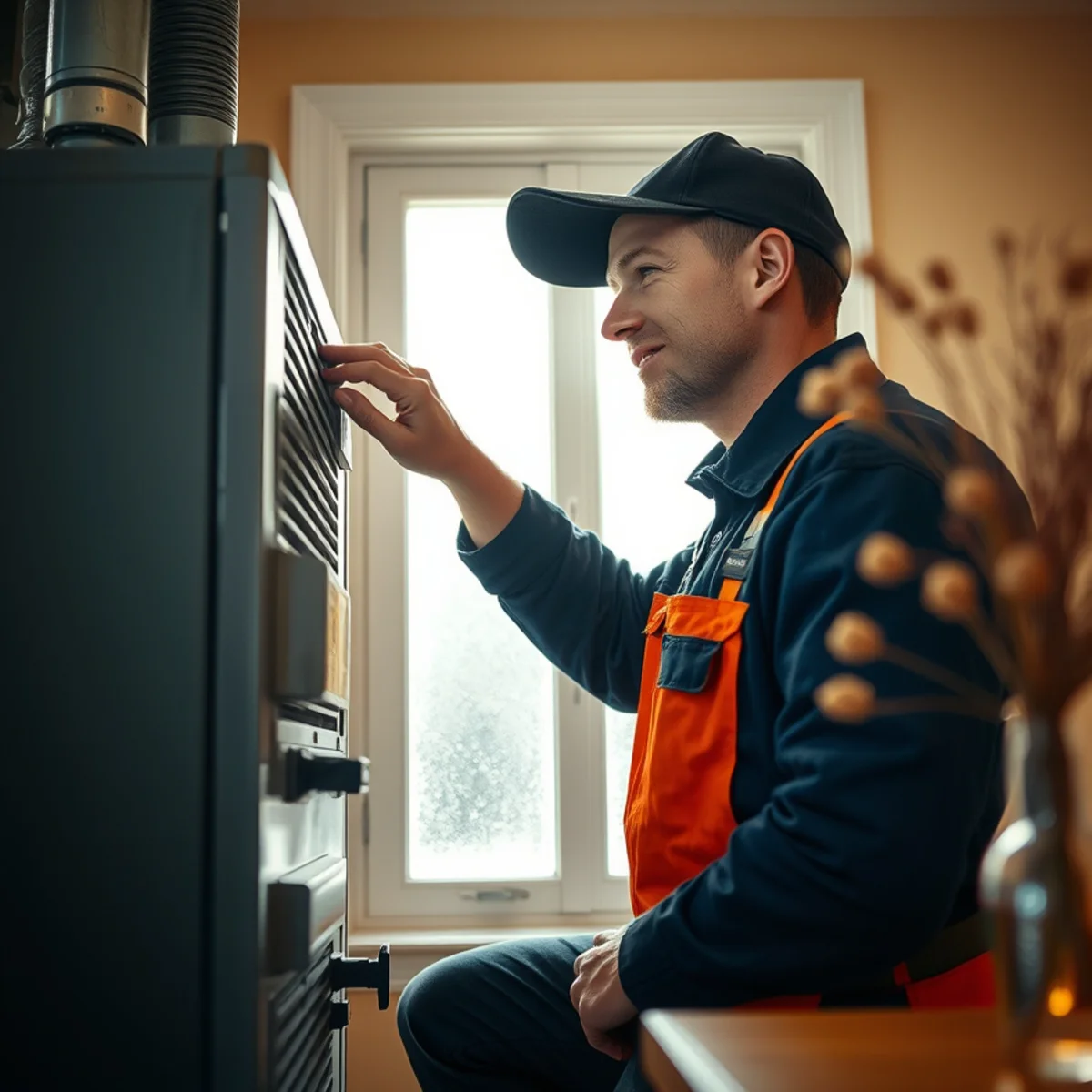
- Wait. A furnace should fire within a minute or two. A heat pump's outdoor unit should kick on and you'll feel warm air at the vents within a few minutes.
- Walk to a couple of vents and confirm warm air is actually coming out, not just air moving.
- Listen. A loud bang on startup, grinding, rattling, or a high-pitched squeal all mean something needs a look.
- Smell. A faint burning odor the first time is usually just dust burning off the heat exchanger and clears in 15 minutes. A sharp, persistent burning or electrical smell is not normal. Shut it down.
Testing now gives you weeks to get a repair scheduled on your terms. Testing in January, after a no-heat night, puts you in line behind everyone else who waited.
Change the Filter and Mean It
A clogged filter is the single most common cause of the problems we get called about. When airflow is choked, a furnace can overheat and trip its safety limit, and a heat pump struggles and runs longer for less heat.
- Replace a 1-inch filter now, and plan to check it monthly all heating season.
- If you have a 4- or 5-inch media filter, those typically run six months to a year, but start the season fresh.
- Match the size printed on the old filter exactly. Don't force a wrong size in and leave gaps.
- A common mistake: chasing the highest MERV rating you can find. A very high-efficiency filter in a system not built for it can actually starve airflow. When in doubt, ask what your system was designed for.
This one step is cheap, takes two minutes, and prevents more breakdowns than anything else you can do.
Clear the Outdoor Unit (Heat Pumps Especially)
Heat pumps run our region. Our long humid summers and mild winters are a perfect fit for them, which is why so many homes around Mount Gilead, Troy, and the Lake Tillery shoreline lean on a heat pump for both seasons. But that outdoor unit takes a beating, and in winter it works hard.
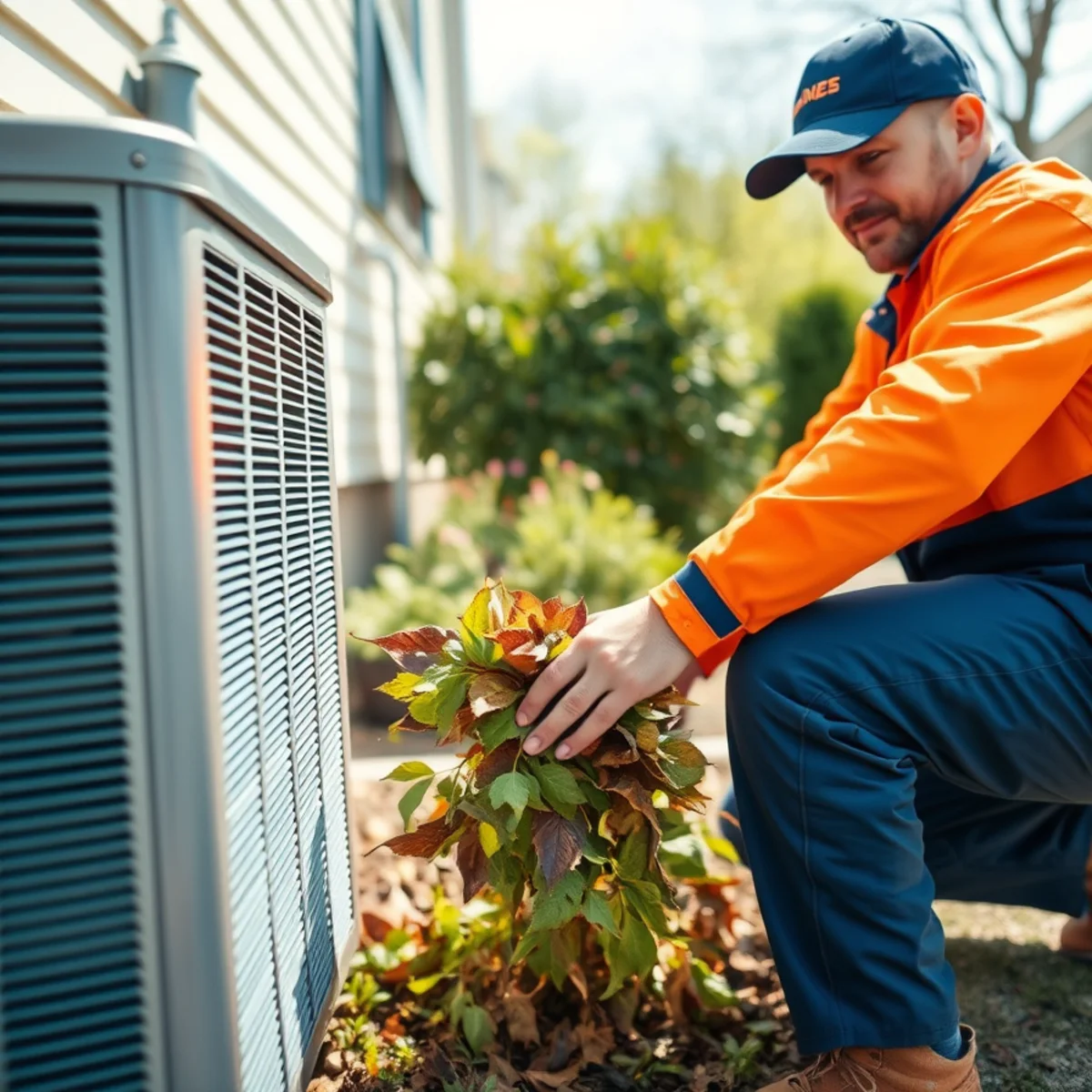
- Clear leaves, grass clippings, and mulch back at least two feet on all sides.
- Cut back any shrubs or vines that crept in over summer.
- Check the unit sits level and the base isn't washed out or sinking.
- Do NOT cover or wrap a heat pump for winter the way you might an AC-only condenser. A heat pump runs all winter and needs to breathe and drain.
- In winter you'll see the unit ice up and then run a defrost cycle to melt it. A little frost is normal. A unit encased in thick ice, or one that never clears, needs service.
Our Piedmont humidity is the quiet stressor here. Long run-times, constant condensate, and damp air are hard on outdoor coils and electrical connections. A fall once-over catches corrosion before it strands you.
Furnace Owners: Watch the Burn and the Safety Side
Plenty of homes here still run on gas or oil heat, and those systems demand respect because they involve combustion.
- Look at the burner flame if you can see it safely. A natural gas flame should be steady and blue. Yellow, lazy, or flickering flames point to incomplete combustion and need a technician.
- Make sure nothing is stored against the furnace. Paint, boxes, and laundry stacked around a furnace are a fire and airflow hazard.
- Confirm the flue and venting are clear and intact. Birds, nests, and rust can block exhaust.
- For oil furnaces, check your tank level before the cold sets in and keep an eye on it through the season.
This is also the right moment for the most important safety check of the year, below.
Test Carbon Monoxide and Smoke Detectors
Any home with a gas or oil furnace, or a gas water heater, needs working carbon monoxide detectors. This is not optional, and fall is the natural time to handle it.
- Put a CO detector on every level of the home and near sleeping areas.
- Press the test button on every CO and smoke detector.
- Replace batteries now, even if they still seem fine.
- CO detectors don't last forever. Most are good for 5 to 7 years. Check the date on the back and replace any that are past it.
A cracked heat exchanger can leak carbon monoxide, and you can't see or smell it. A working detector is the backstop that protects your family. We'd rather you spend a few dollars on detectors than ever need us for the wrong reason.
Check the Thermostat and Reversing Logic
A surprising number of "broken heat" calls turn out to be the thermostat.
- Replace the batteries if it's a battery model.
- Make sure it's set to Heat, not Cool or Off, and that the fan is on Auto.
- If you have a programmable or smart thermostat, update the schedule for winter hours and confirm the heat setpoints make sense.
- Heat pump owners: avoid jacking the temperature up 8 or 10 degrees at once. That can trigger expensive backup electric heat strips. Small, gradual adjustments keep your bill down.
If your thermostat is old, foggy, or unreliable, fall is a good time to upgrade. A modern thermostat pays for itself in comfort and control, and we can match the right one to your system.
Look at Your Ductwork and the Quiet Air Quality Side
Heat you've paid for shouldn't leak into the attic or crawlspace before it reaches you.
- Feel for air escaping at accessible duct joints while the system runs.
- Check that supply and return vents aren't blocked by furniture, rugs, or curtains.
- In the older homes around our historic downtown, some houses never had good ductwork to begin with. If certain rooms are always cold, that's worth a conversation, sometimes a ductless mini-split is the cleaner fix than fighting bad ducts.
Winter also means a closed-up house and drier indoor air. If anyone in the home deals with allergies, dry throats, or static, fall is the time to think about filtration and humidity, not the middle of a cold spell.
What You Should Leave to a Technician
The steps above are safe homeowner territory. A few jobs need trained hands and proper tools, and trying them yourself can cause damage or be dangerous.
- Inspecting the heat exchanger for cracks
- Testing combustion, gas pressure, and safety controls
- Checking refrigerant charge and the reversing valve on a heat pump
- Tightening electrical connections and reading amp draws
- Cleaning the indoor coil and a deep clean of the outdoor unit
A professional fall tune-up catches the failures you can't see and keeps the system running at the efficiency you're paying for. Honestly, the small cost of seasonal maintenance is a fair trade against a frozen January morning and a big repair bill.
Get Ready Before the Cold Beats You to It
Run the test, change the filter, clear the outdoor unit, and check your detectors. Do those four things and you've already prevented most of what goes wrong. The rest is worth a trained set of eyes before the season turns.
EM Contractors LLC has been the Mabe family's HVAC business in Mount Gilead since 2005. We're local, we're honest, and we'll give you a fair price and a straight answer, no upsell games. If you want your furnace, heat pump, or mini-split checked before winter, or you're already feeling a weak spot, give us a call. We serve homes, businesses, and churches across Mount Gilead, Troy, and the Lake Tillery area, with same-day and next-day service when it's available. Let's get your heat ready before you need it.
Frequently Asked Questions
October and November are the sweet spot. Our first hard cold snap usually shows up fast after a humid fall, and that sudden flip is when idle systems fail. Testing and servicing early gives you weeks to schedule any repair on your terms instead of waiting in line on a no-heat morning in January.
No. A heat pump runs all winter long and needs to breathe and drain. Wrapping or covering it traps moisture and blocks the unit, which is the opposite of what you want. That advice is for AC-only condensers. Just clear leaves and debris back about two feet and let it work.
A little frost on the outdoor unit is normal. It runs a defrost cycle to melt it off, and you may see steam. What is not normal is a unit encased in thick ice or one that never clears. If you see that, shut it down and call us for a look before it gets worse.
You can handle plenty yourself: change the filter, test a heat cycle, keep clutter away from the furnace, check the flue is clear, and test your carbon monoxide detectors. But combustion, gas pressure, and heat exchanger checks need trained hands and proper tools. A cracked heat exchanger can leak carbon monoxide you cannot see or smell, so that part is worth a professional.
Related Services
Written by
EM Contractors LLC
A family-owned heating and air conditioning company serving Mount Gilead, NC since 2005. Owner Eric Mabe and his crew share these tips from real work in local homes and businesses — honest advice, no sales pressure.