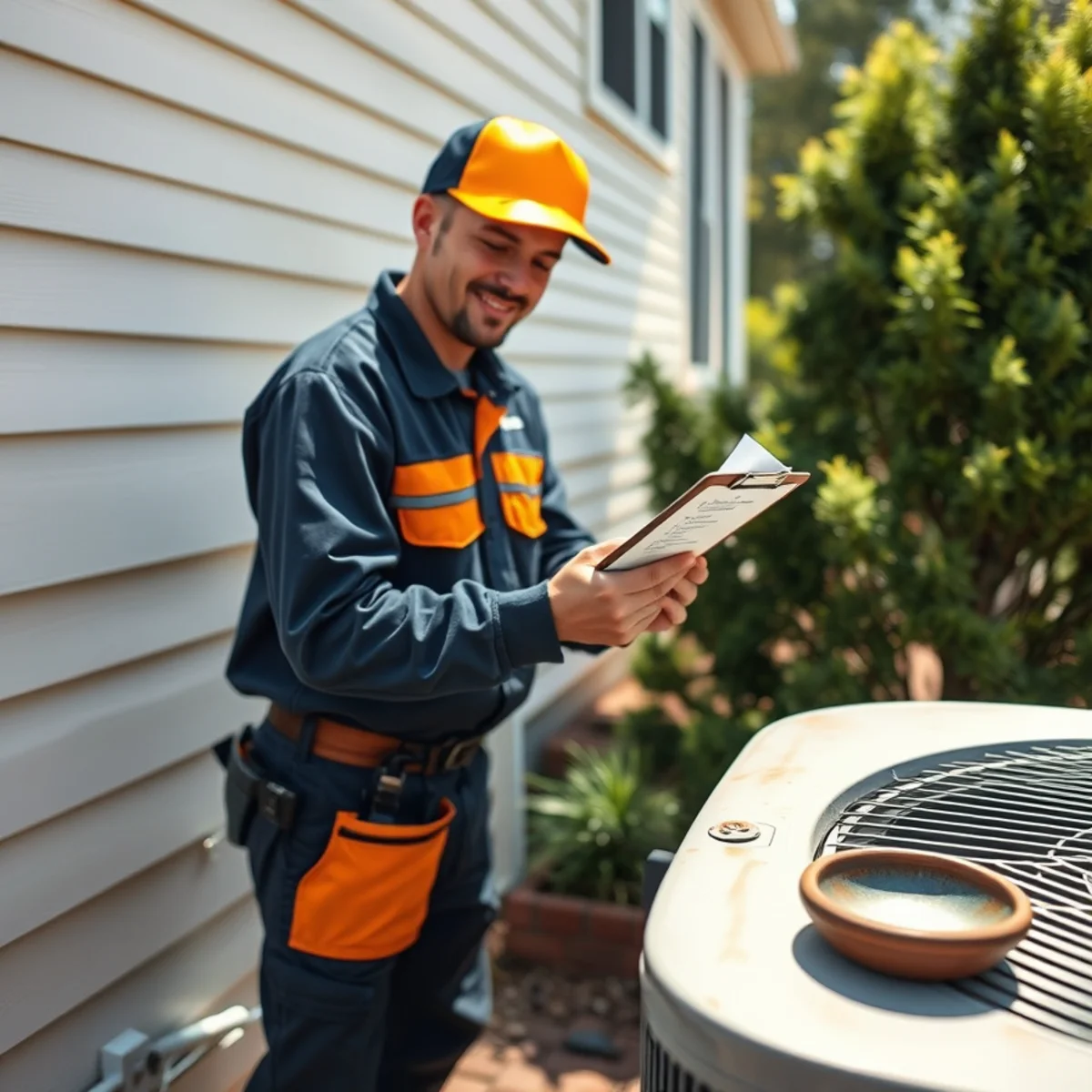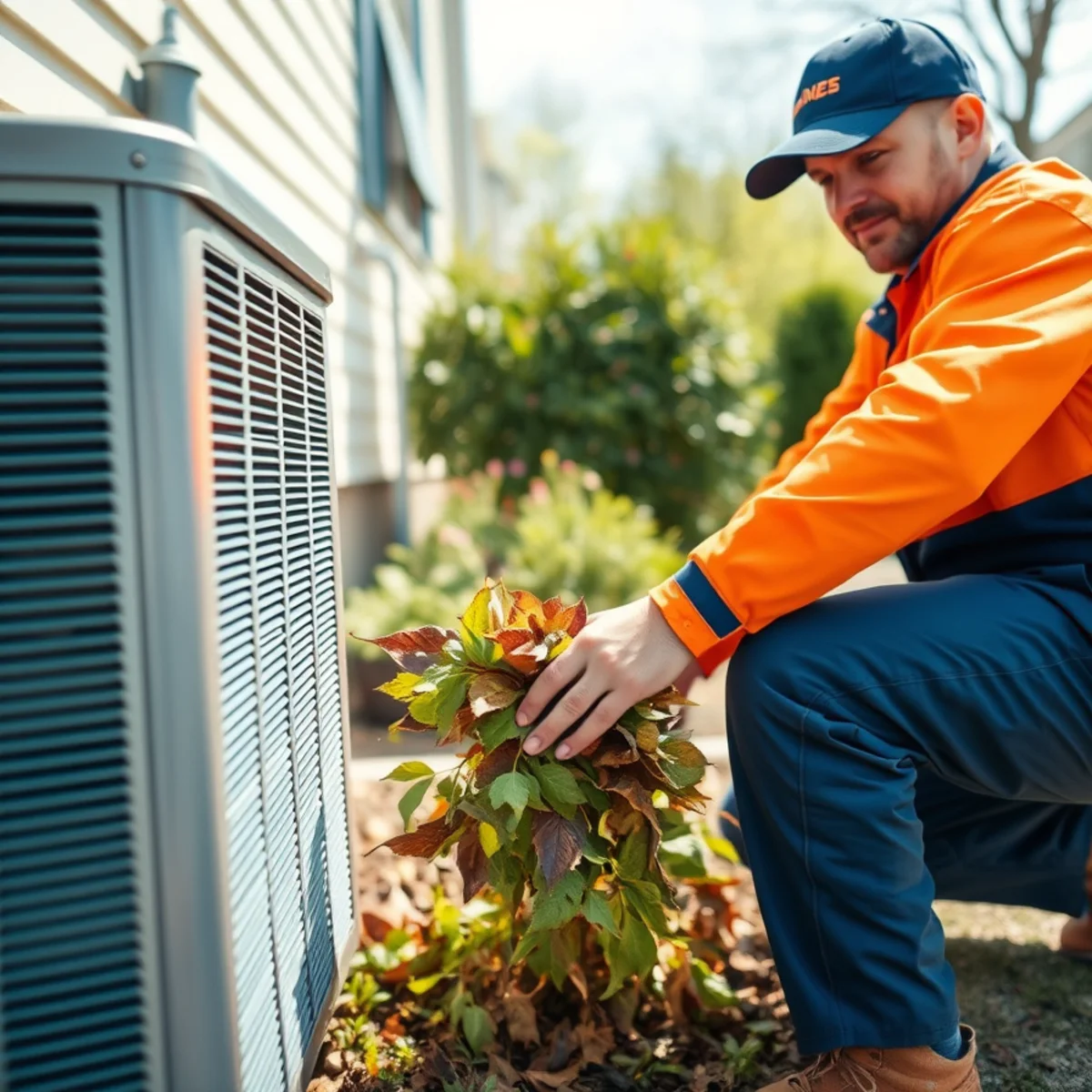
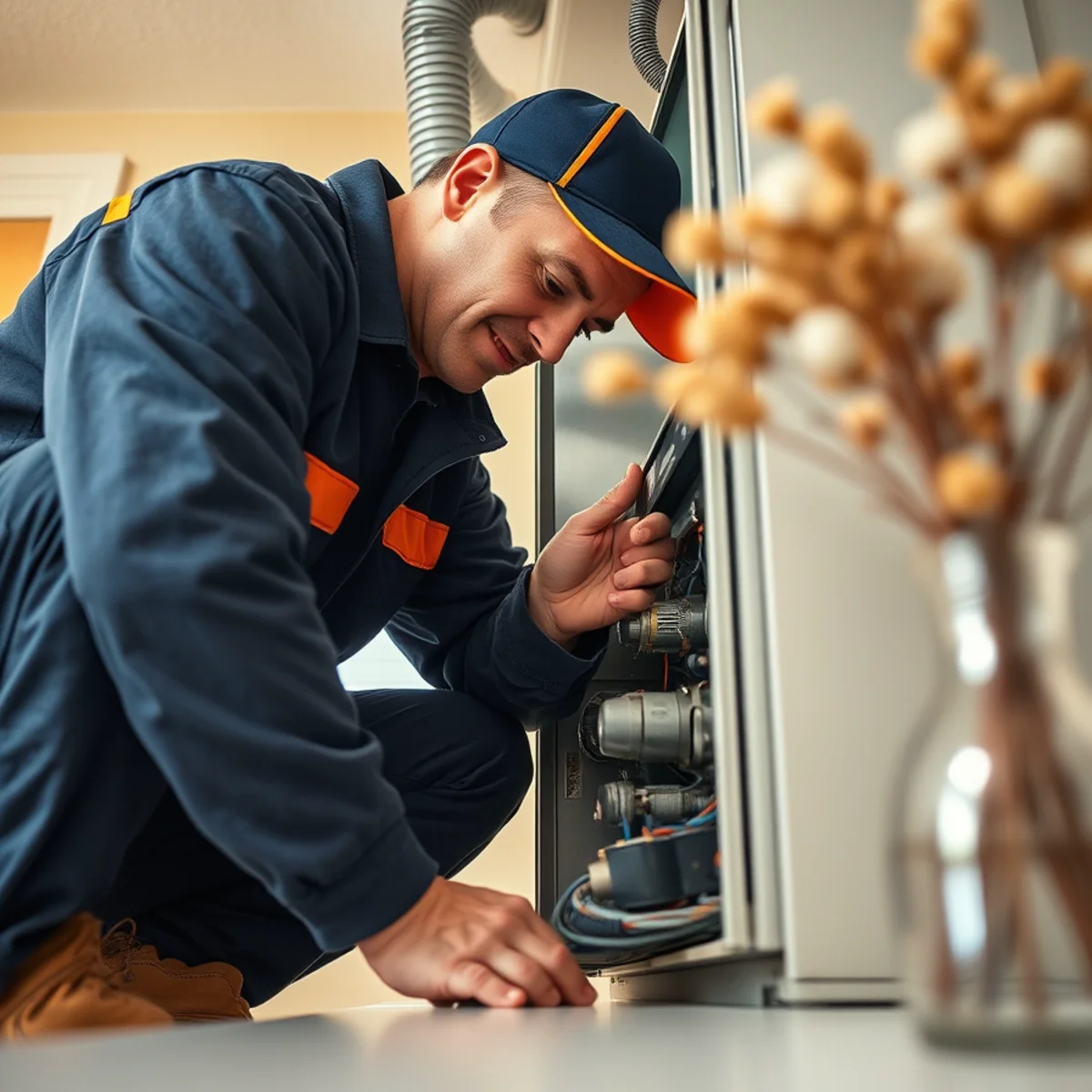
Winters here aren't brutal. Most years Mount Gilead stays mild, and it rarely drops below the low 20s. But that's exactly why furnace trouble catches people off guard. Your furnace sits idle for months through our long, humid Piedmont summers, then you ask it to fire up on the first cold night in November. That's when the weak parts show themselves.
I've been crawling around furnaces in Montgomery County homes for years. The same handful of problems come up every fall. Here's what we find, what causes it, and what you can do about it before the cold sets in.
Why Fall Is the Time to Catch It
A furnace that sat unused all summer collects dust, moisture, and the occasional mouse nest. Our humidity makes that worse. Damp air settles into the cabinet, sits on metal, and starts quiet corrosion you never see. Then the first cold front rolls through off Lake Tillery and you flip the heat on for the first time in six months.
That first start is hard on a furnace. Components that were fine in March may not be fine now. Catching a worn part in October is a service call. Catching it at 11 p.m. on the coldest night of the year, when every HVAC company in the county is slammed, is a different story.
Test your heat before you need it. Run the furnace for a full cycle on a cool day. If something's wrong, you want to know now.
The Most Common Furnace Problems We See
Here are the issues that come up again and again on fall service calls.
- Dirty or clogged air filter. This is number one, and it's not close. A filter caked with summer dust chokes airflow. The furnace overheats, the high-limit switch trips, and the unit short-cycles, turning on and off without ever warming the house. A clogged filter can mimic an expensive failure when it's a five-dollar fix.
- Dirty flame sensor. On gas furnaces, the flame sensor confirms the burner actually lit. When it gets coated with grime, it can't sense the flame, so the control board shuts the gas off as a safety measure. The furnace lights, runs a few seconds, then quits. Over and over. Classic dirty-sensor behavior.
- Failed igniter. Most modern furnaces use a hot-surface igniter instead of a pilot light. These are brittle and wear out. When the igniter cracks, you get no heat at all, just the blower running cold air. Igniters are one of the most common parts we replace in the fall.
- Bad thermostat. Dead batteries, loose wiring, or a thermostat that lost its programming after a power blip. Before you assume the furnace is broken, check the thermostat. It's the cheapest thing in the chain.
- Cracked or worn blower components. The blower motor and its capacitor take a beating. A failing capacitor often shows up as a furnace that hums but won't push air. Bearings wear and get loud.
- Pilot or burner problems on older units. Older gas and oil furnaces around here, especially in the historic downtown homes, can have dirty burners, a weak pilot, or a thermocouple that's giving out.
- Condensate drain clogs. High-efficiency furnaces produce water when they run, and that drain line can clog with gunk or grow algae over our humid months. A backed-up drain trips a safety switch and shuts the furnace down.
Warning Signs Worth Paying Attention To
Your furnace usually tells you it's struggling before it quits for good. Listen and watch for these.
- Short-cycling. The furnace turns on and off rapidly without warming the house. Often a filter, a flame sensor, or an overheating issue.
- Weak or no airflow. Could be the blower motor, a capacitor, or a badly blocked filter or duct.
- Cold air from the vents. The blower runs but the burners aren't firing. Think igniter, flame sensor, or gas supply.
- Banging, screeching, or rattling. Metal-on-metal usually means a blower bearing or a loose part. Don't ignore noises that are new.
- A burning or musty smell on first startup. A little dust burn-off on the first run of the season is normal and fades in a few minutes. A smell that lingers, or smells electrical or like something melting, is not. Shut it down and call.
- Higher heating bills with no change in habits. A furnace working harder than it should is wasting fuel. Something's dragging on efficiency.
- The pilot or flame burns yellow instead of blue. On a gas unit, a yellow or flickering flame can point to incomplete combustion. That's a flag to get it checked.
The One You Never Ignore: Carbon Monoxide
I'll be plain about this. Gas and oil furnaces burn fuel, and a cracked heat exchanger or a venting problem can let carbon monoxide into your home. Carbon monoxide is colorless and odorless. You can't smell it or see it.
- Put a working CO detector on every level of your home, especially near sleeping areas. Test it. Replace the batteries.
- Know the symptoms of CO exposure: headaches, dizziness, nausea, fatigue, that feel better when you leave the house. If a whole household feels sick at once, get everyone outside and call for help.
- Watch for soot or staining around the furnace, excessive moisture on windows near the unit, or that persistent yellow flame. These can signal a combustion or venting problem.
A cracked heat exchanger is not a DIY repair and not something to put off. If you suspect one, shut the furnace down and have a technician inspect it. This is the one furnace problem where waiting isn't worth the risk.
What You Can Safely Fix Yourself
Plenty of furnace trouble has a simple cause. Before you call anyone, run through this list.
- Replace the air filter. If you do one thing this fall, do this. Check it monthly during heating season and swap it when it looks gray. It's the single best thing you can do for your furnace.
- Check the thermostat. Fresh batteries. Set it to "heat" and a few degrees above room temperature. Make sure it didn't lose its schedule.
- Confirm the furnace has power. Check the breaker. Many furnaces also have a switch on or near the unit that looks like a light switch. Make sure it's on.
- Make sure the gas is on, if you have a gas furnace, and that other gas appliances are working.
- Clear the vents and returns. Open closed registers and move furniture, rugs, and boxes off of them. Blocked airflow makes a healthy furnace act sick.
- Look at the condensate drain on high-efficiency units. If you see standing water near the furnace, the drain may be clogged.
If you've checked all of that and the furnace still won't heat right, the problem is past the easy fixes. That's when it's time to bring in someone with gauges and a meter.
When to Call a Technician
Some furnace work is straightforward. Some of it involves gas, combustion, and electricity, and that's where a guess can get expensive or dangerous. Call a pro when:
- The furnace blows cold air, short-cycles, or won't start after you've checked the filter, thermostat, and power.
- You smell gas. Leave the house first, then call your gas provider and an HVAC tech.
- You suspect carbon monoxide or a cracked heat exchanger.
- The unit makes loud mechanical noises.
- You just want it checked before winter so you're not gambling on a cold night.
Honestly, the smartest move is seasonal maintenance before the heating season starts. A good fall tune-up cleans the flame sensor and burners, checks the igniter, tests safety switches, inspects the heat exchanger, and catches a worn part while it's still a small fix. It's a lot cheaper than a no-heat emergency, and it's the kind of honest, preventive work that keeps a furnace running for years.
Furnaces, Heat Pumps, and Our Local Mix
One more local note. A lot of homes around Mount Gilead run heat pumps because our mild winters suit them well. Plenty of those have a gas or electric furnace as backup for the coldest stretches, what we call a dual-fuel or hybrid setup. If that's you, the furnace side can sit unused even longer and develop the same fall startup problems. Test the backup heat too. And in some of the older downtown homes without good ductwork, a ductless system is sometimes the better answer than fighting an aging furnace.
If your furnace is acting up, or you just want it looked at before the first cold night, call EM Contractors LLC right here in Mount Gilead. We're a family-owned shop, we've done HVAC in Montgomery County for decades, and we service all major makes and models. We'll give you a straight answer and a fair price, whether it's a quick fix or a bigger repair. Reach out today and let's get your heat ready before winter shows up.
Frequently Asked Questions
That short on-off pattern usually points to one of two things. A clogged filter chokes airflow, the furnace overheats, and a safety switch trips. Or, on a gas furnace, a dirty flame sensor can't confirm the burner lit, so the control board cuts the gas. Start by swapping the filter. If it still cycles, the flame sensor or an overheating issue is likely, and that's a service call.
A little dust burn-off on the first run of the season is normal. It smells faintly like dust and fades in a few minutes. What's not normal is a smell that lingers, or one that's electrical or like something melting. Shut it down and call. And if you ever smell gas, leave the house first, then call your gas provider and an HVAC tech.
Worried enough to take it seriously. Gas and oil furnaces burn fuel, and a cracked heat exchanger or a venting problem can leak carbon monoxide, which you can't see or smell. Put a working CO detector on every level of your home, especially near bedrooms, and test it. Watch for headaches, dizziness, or nausea that ease when you leave the house, soot around the furnace, or a yellow flame instead of blue. A cracked heat exchanger is not a DIY repair, and it's not something to put off.
Run through the easy stuff first. Replace the air filter if it looks gray. Check the thermostat, fresh batteries, set to heat a few degrees above room temperature. Confirm the breaker is on and the switch near the furnace that looks like a light switch is on. Make sure the gas is on if you have a gas unit. Clear furniture and rugs off your vents and returns. If it still won't heat right after all that, the problem is past the simple fixes, and it's time to call someone with gauges and a meter.
Related Services
Written by
EM Contractors LLC
A family-owned heating and air conditioning company serving Mount Gilead, NC since 2005. Owner Eric Mabe and his crew share these tips from real work in local homes and businesses — honest advice, no sales pressure.